
Certified with IS09001, IS014001 and BRCGS
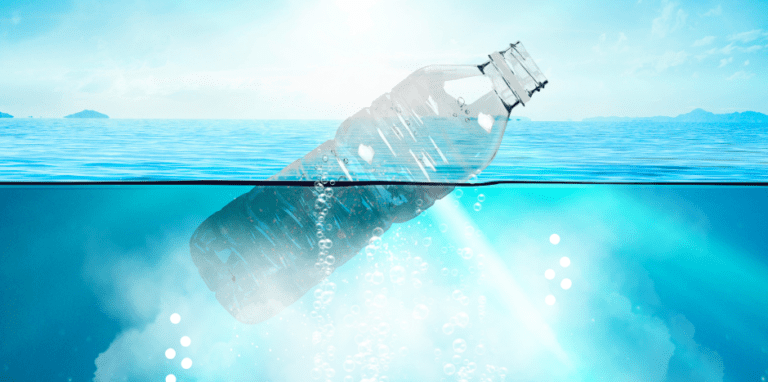
Plastic has become deeply woven into the fabric of our lives. From keeping our food fresh to powering our electronics, it’s hard to imagine modern living without it. Yet, the environmental cost of that convenience is becoming harder to ignore. As plastic pollution chokes our oceans and microplastics infiltrate our food and air, a crucial question emerges: Can we truly live without plastics?
Let’s take a closer look at the real environmental impact of plastics and the innovative, sustainable packaging technologies now making it easier than ever to reduce our reliance on them.
The Environmental Toll of Plastics
The problem with plastic isn’t just how widely it’s used, but how long it lasts on our planet. Conventional plastics can take hundreds of years to decompose, leaching harmful chemicals into the soil and water, and threatening wildlife that often mistake it for food.
Plastics’ lifecycle also contributes heavily to climate change. Its production is energy-intensive and emits significant amounts of greenhouse gases. And when disposed of improperly, something that’s far too common, plastics break down into microplastics, which have now been found in everything from bottled water to our bloodstream.
The Solution: Safer and Sustainable Packaging
Thanks to rapid innovation in materials science, we’re beginning to see functional, scalable replacements for traditional plastics, especially in packaging. From compostable materials made with plant-based fibers to advanced high-barrier packaging, the market is shifting toward solutions that don’t sacrifice performance for sustainability.
“We are not just here to replace plastic; we are here to change mindsets. We want sustainability to be seen as practical and achievable, not just a trend or a marketing term. If we can make sustainable packaging affordable, high-quality, and scalable, then we can make a real difference with real societal impact.” ~Izhar Sajid, Co-founder and Director of EcoFibre Bahrain
Laminated Fibre Packaging: Sustainability Meets Strength
One of the most promising developments is laminated fibre packaging, which is rigid or flexible fiber-based packs engineered to perform like plastic but made from renewable or recycled materials. These trays or containers are often coated with plant-based films that resist moisture and oil, making them perfect for food packaging.
“EcoFibre stands out because we have developed a compostable product that performs like plastic. While plastic takes hundreds of years to degrade, our trays break down in 60 to 70 days and return to the earth as natural fertilizer.” ~Izhar Sajid
EcoFibre is leading the way in sustainable food packaging alternatives. For example, our dual-ovenable laminated fibre trays are designed to move seamlessly from freezer to microwave or oven. Even better, they can be integrated with MAP (Modified Atmosphere Packaging) and VSP (Vacuum Skin Packaging) technologies that extend food freshness while significantly reducing waste.
High-Barrier, Not High Waste
Historically, one big challenge with eco-friendly packaging was shelf life. Without a plastic protective barrier, perishable food spoils faster. But today, cutting-edge high-barrier packaging solutions like those introduced by EcoFibre have changed the game.
EcoFibres’s breakthrough compostable high-barrier films and laminates offer strong protection against oxygen and moisture, the two major culprits in food spoilage. These materials support extended shelf life without harming the planet. They’re ideal for snacks, dry goods, coffee, and even supplements, anything that needs a long shelf life and a lower environmental impact.
Compostable Packaging: Designed to Disappear
The best part? Technologies like EcoFibre’s are fully compostable, breaking down safely in composting environments without leaving behind microplastics or toxins. These solutions don’t just replace plastic; they outsmart it.
“The stricter sustainability standards in Europe and North America have actually worked in our favor. They’ve pushed us to innovate and develop packaging solutions that meet both environmental goals and food safety requirements. Our CleanPeel technology was developed specifically to align with these regulations, allowing the liner to be easily removed so the tray remains compostable.” ~Izhar Sajid
This matters more now than ever. With less than 1% of traditional plastic flexible packaging being recycled in the U.S., we can’t simply rely on recycling systems. Compostable materials offer a true end-of-life solution that aligns with the principles of a circular economy.
Moving Forward: Small Changes, Big Impact
So, can we live entirely without plastics? Perhaps not immediately. But by intentionally switching to smarter materials and reducing single-use plastics, we can absolutely live with less of it.
Here’s how anyone can start:
Choose compostable food containers and cutlery instead of conventional plastic disposables. Our EcoFibre bagasse lineup includes trays, bowls, and more—all fully compostable.
Ready to Ditch Single-Use Plastics?
At EcoFibre, we’re empowering businesses and individuals to embrace a cleaner, more sustainable future, without compromise. Our innovative lineup of laminated fibre packaging, compostable food containers, and MAP/VSP-ready trays is designed to protect both your products and the planet.
Want to learn more? Contact us today.
*Quotations from an article featured on The Business Year.
