
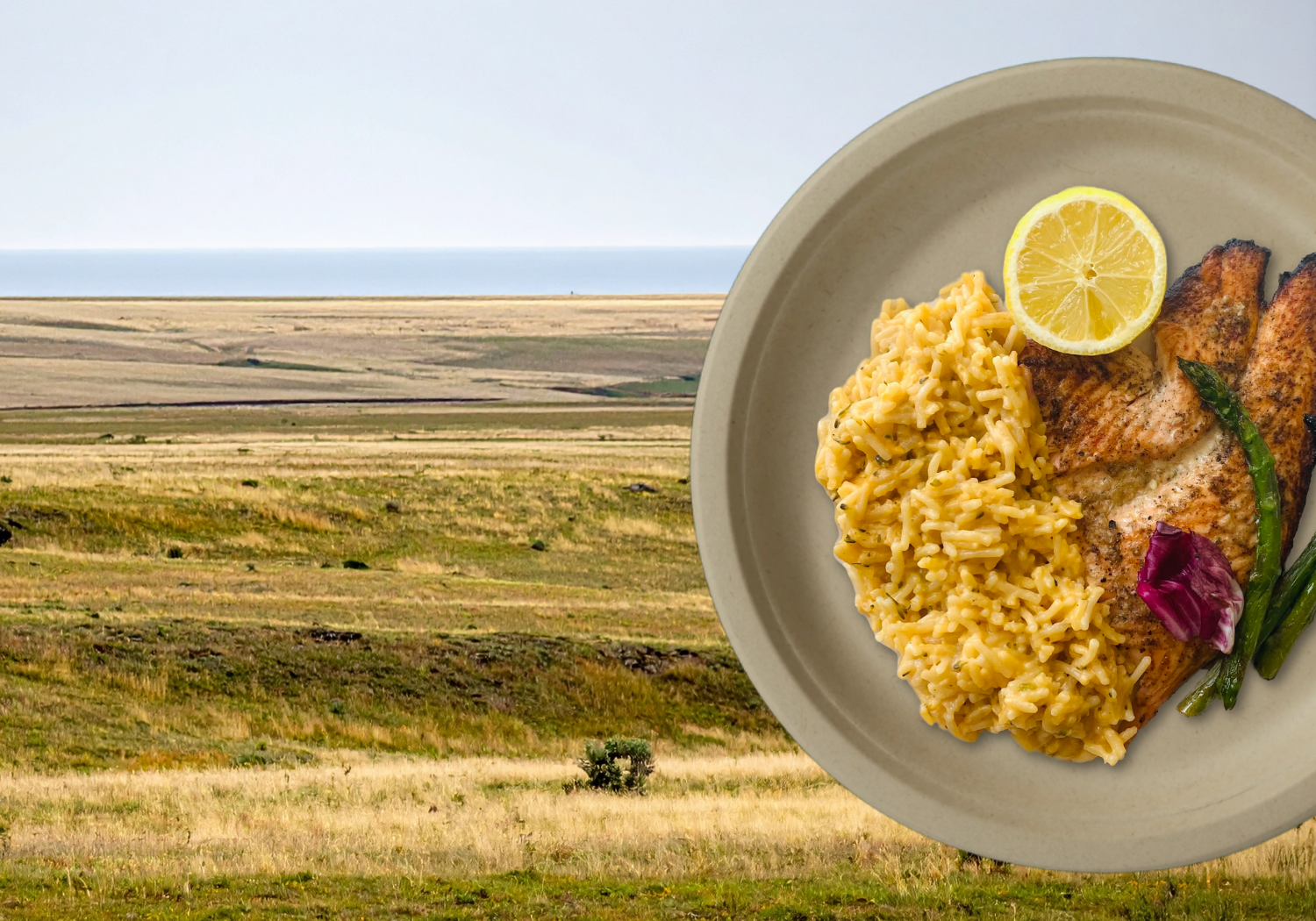
In recent years, there has been a significant shift towards eco-friendly alternatives in the packaging industry, including laminated fibre packaging, high-barrier packaging, dual ovenable packaging, extended shelf life, MAP/VSP, and compostable, driven by growing environmental concerns and consumer demand for sustainable solutions. Among these alternatives, bagasse packaging has emerged as a popular choice due to its renewable source material, biodegradability, and minimal environmental impact. But how exactly is the packaging being manufactured? Let’s delve into the complete manufacturing process of EcoFibre’s bagasse food packaging.
Acquiring Bagasse: Bagasse is the fibrous byproduct of sugarcane processing and is used to make various eco-friendly products. EcoFibre acquires its bagasse as sheets directly from reliable and sustainable sources, before transporting them to the manufacturing facility.
Pulping: The first step in the manufacturing process involves pulping the bagasse to break down the fibers into a fine pulp suitable for molding. This is typically achieved through mechanical or chemical pulping methods, which separate the cellulose fibers from the other components of the bagasse.
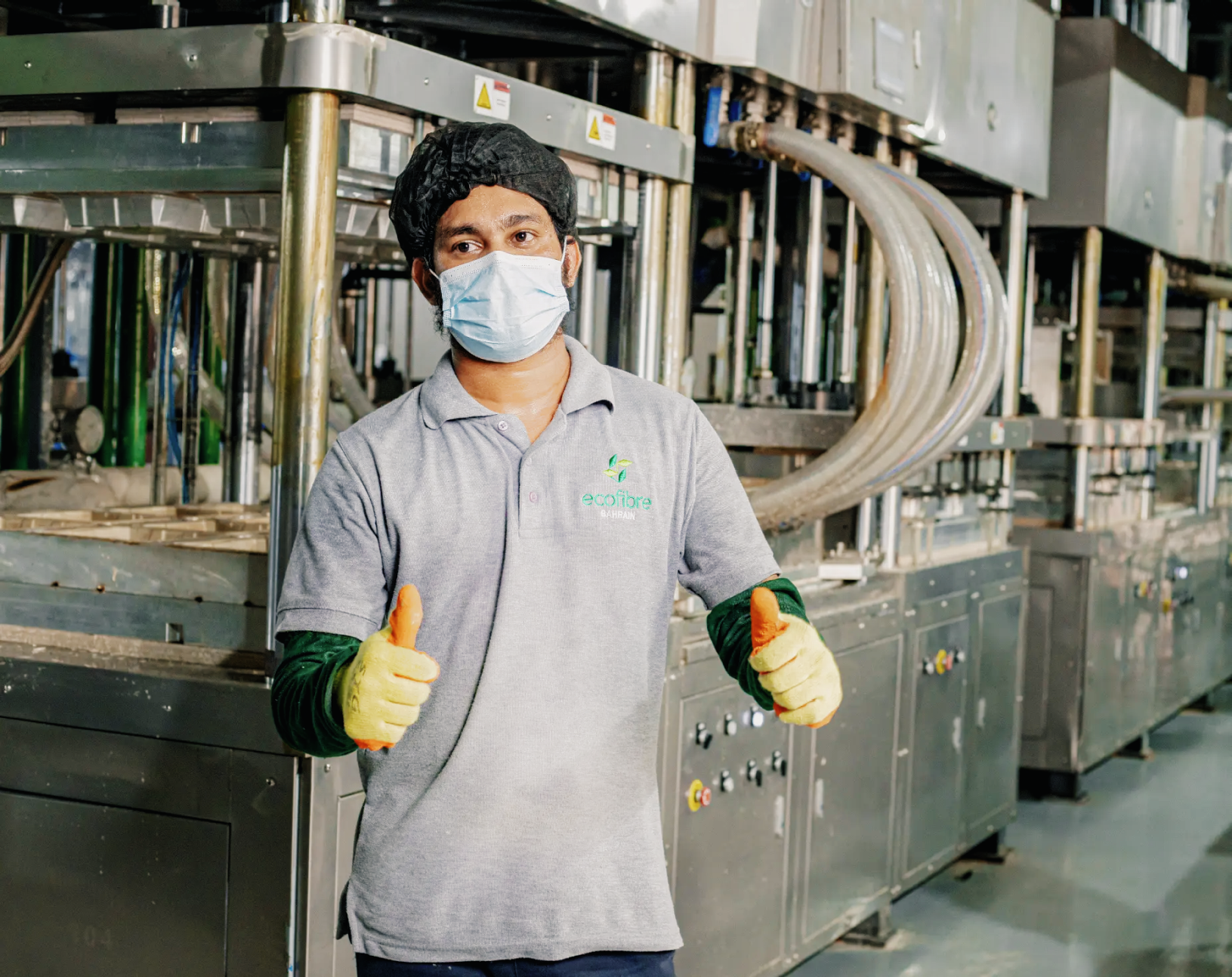
Molding: Once the bagasse pulp is prepared, it is molded into the desired shape and size of the packaging using specialized equipment. The pulp is poured into molds that are shaped like containers and subjected to heat plus pressure to form the final product. This molding process ensures that the wet bagasse packaging can be formed into the desired end product.
Drying: After molding, the bagasse packaging containers undergo a drying process to remove excess moisture and strengthen the structure. Depending on the manufacturing facility and equipment used, the drying process may involve the use of hot press molds set at the temperature of 180 degrees celcius to ensure the containers are thoroughly dried, have a uniform shape and structural integrity.
Finishing touches: Once dried the bagasse containers may undergo additional finishing touches, such as trimming excess material or adding a lamination coating to the product in order to withstand greasy and oily food. These final touches enhance the aesthetic appeal of the containers and ensure they meet quality standards before being packaged and shipped to consumers.
Packaging and distribution: The final step in the manufacturing process involves packaging the bagasse containers and preparing them for distribution to retailers, restaurants, and consumers. The containers are then taken to be disinfected through UV and microwave machinery in order to be prepared to ship overseas. The packaging containers are also checked individually for quality or defects. Defective containers are sent back to be broken down into pulp and re-made into new packaging.
Certifications
EcoFibre is certified with ISO 9001/14001 certification and BRCGS Packaging Materials (Issue 6) Certification with Grade AA, which demonstrates commitment to quality and health.
Forever Earth
The manufacturing process is very efficient and takes approximately sixty seconds to turn the bagasse pulp into packaging. The trimmings, along with any defective packaging is also ensured to be turned back into pulp in order to make new packaging containers. Also, bagasse requires significantly less energy to produce in comparison to conventional packaging. Which is highly beneficial to both the company and the planet. These factors display EcoFibre’s overall dedication to save the environment, by guaranteeing that nothing is wasted but repurposed instead.
Ready to Ditch Single-Use Plastics?
At EcoFibre, we’re empowering businesses and individuals to embrace a cleaner, more sustainable future without compromise. Our innovative lineup of Laminated Fibre Packaging, Compostable Food Containers, and MAP/VSP-ready trays is designed to protect both your products and the planet.
